In My Lucky Custom Era Retro SVG PNG Review
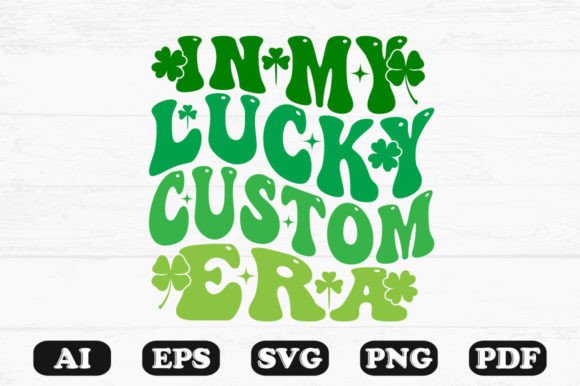
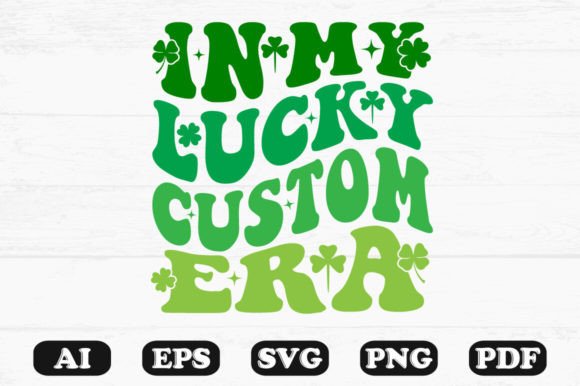
When I first opened the In My Lucky Custom Era Retro SVG PNG file, my initial reaction wasn't about the technical specs but rather the vibe it immediately projected. As a designer who has spent years turning digital files into tangible, stitched masterpieces, I know that the difference between a good design and a great one often lies in its attitude. This piece carries a distinct retro wavy energy that feels nostalgic yet fresh, perfectly capturing that "custom era" aesthetic that is currently dominating the handmade market. It isn't just a collection of letters; it is a mood board waiting to be realized on fabric.
The typography itself is bold and fluid, with curves that suggest movement and a vintage charm that resonates deeply with current craft trends. The layout is balanced, offering enough negative space to breathe while maintaining a strong visual anchor. For an embroidery project, this balance is critical. If a design is too dense, it risks becoming a blob of thread; if it is too sparse, it loses impact. In My Lucky Custom Era Retro SVG PNG hits that sweet spot where the wavy lines invite the eye to travel across the garment without overwhelming the viewer.
From Screen to Stitch: A Real-World Scenario
Let's talk about how this design performs when it leaves the computer screen and enters the hoop. I recently imagined using this specific graphic for a custom embroidered tote bag intended for a local boutique owner. The client wanted something that screamed "vintage shop" but felt modern enough for a 2024 customer. The In My Lucky Custom Era Retro SVG PNG seemed like the perfect candidate.
However, moving from a flat vector to a stitched reality requires careful planning. On a canvas tote bag, the texture of the fabric plays a huge role. The wavy lines of this design would need to be executed with a high-quality satin stitch to ensure the edges remain crisp against the woven background. If I were to use a fill stitch for the lettering, I would have to be mindful of the stitch density to prevent the fabric from puckering, which can ruin the clean look of the retro waves. The goal here is to create a finished product that looks professional and polished, not rushed or distorted.
Imagine the final result: a sturdy tote bag featuring the wavy text in a mustard yellow or burnt orange thread against a natural cream canvas. The contrast would be striking, and the message would be clear. Customers walking through a craft fair would stop because the design speaks to their love for unique, personalized gifts. It transforms a simple utility item into a statement piece that reflects the brand identity of the small business owner selling it.
Where This Design Shines Best
The versatility of In My Lucky Custom Era Retro SVG PNG makes it a valuable asset for various embroidery projects. While I used it mentally for a tote bag, its application extends far beyond that. It is particularly well-suited for custom apparel like sweatshirts and t-shirts, where the soft drape of the fabric allows the wavy lines to flow naturally over the body.
- Baby Items: The gentle curves and playful nature of the design make it ideal for baby clothes or nursery decor. A onesie featuring this quote could become a cherished personalized gift for new parents.
- Holiday Embroidery: The retro vibe fits perfectly with holiday themes. Imagine this design stitched onto a tea towel or a pillow cover for a Christmas or Thanksgiving gathering.
- Craft Business Merchandise: For Etsy sellers and small shop products, this design offers a high perceived value. It elevates the presentation of the item, making customers feel they are buying something artisanal and thoughtfully designed.
- Apparel Decorators: Whether creating a limited run of caps or aprons, the design assets provide a consistent look that helps build brand recognition.
The key to success here is understanding that this is more than just a machine embroidery design; it is a branding tool. When you see a finished product with this level of attention to detail, trust increases. Buyers are willing to pay a premium for items that look professionally executed and aesthetically pleasing.
Pitfalls to Avoid and Technical Considerations
While the potential is high, there are areas where In My Lucky Custom Era Retro SVG PNG requires caution. Not every surface is created equal, and the design's performance will vary depending on the substrate. If you plan to use this on a cap or hat, the curved surface can distort the wavy lines if the digitization isn't adjusted correctly. Small hoop sizes might also struggle to capture the full essence of the design, potentially cutting off the elegant curves of the text.
Textured fabrics present another challenge. If you attempt to embroider this on a thick, nubby wool or a very thin, stretchy jersey knit without proper stabilization, the results could be disastrous. The stitch density needs to be managed carefully to avoid pulling the fabric out of shape. For dark fabrics, you must consider the thread colors; a light-colored retro wave might get lost unless you use a heavy underlay or a contrasting background layer.
Additionally, if you are planning to sell these items commercially, you must verify the licensing terms before producing anything. Ensure that the digital embroidery file includes the necessary rights for commercial use. Without proper permissions, you risk legal issues down the line. Always check whether the design works for both personal and commercial projects as specified by the creator.
Practical Designer Notes for Success
Before you commit this design to your next production run, follow these practical steps to ensure a flawless outcome. First, always test the design on scrap fabric. This allows you to see how the thread colors interact with the material and gives you a chance to adjust the hoop size or stabilizer choice if needed.
Review the stitch density closely. If the satin stitch areas are too tight, they may cause the fabric to pucker. Conversely, if the fill stitch areas are too loose, the design will lack definition. Inspect small details and decorative accents to ensure they are legible after stitching. Sometimes, what looks perfect on a monitor appears slightly different once the needle pierces the fabric.
It is also wise to test the design in black and white mockups. This helps you visualize the contrast levels without the distraction of color. Compare how the embroidery file looks on light versus dark backgrounds to ensure the message remains clear regardless of the product type. Use proper stabilizer to support the fabric during the stitching process, especially for items like embroidered patches or kitchen towels that undergo frequent washing.
Finally, consider the long-term durability of the project. Will the embroidery project withstand repeated laundering? By choosing the right threads and securing the stitches properly, you ensure that the handmade product retains its quality and appeal over time. This attention to detail is what separates a hobbyist from a professional creative entrepreneur.
In conclusion, In My Lucky Custom Era Retro SVG PNG is a dynamic addition to any crafter's library. Its retro personality and versatile layout make it suitable for a wide range of applications, from gifts to commercial embroidery. By approaching the project with care and following best practices for graphics and crafts, you can transform this digital concept into a stunning physical reality that customers will love.